Responsible Whale Watching is our Number One Priority
We love seeing whales as much as our guests do - but their wellbeing comes first. Every decision on the water is guided by one priority: causing as little disturbance as possible to the animals and habitat we're privileged to visit.
That commitment is built into Canadian law, into the Code of Conduct we've signed as members of the North Island Marine Mammal Stewardship Association (NIMMSA), and into standards we hold ourselves to that go further still.
The Law: Canada's Marine Mammal Regulations
Marine mammal viewing in Canada is regulated under the federal Marine Mammal Regulations (Fisheries Act). These aren't guidelines - they're legal requirements, and breaching them can result in fines of up to $100,000.
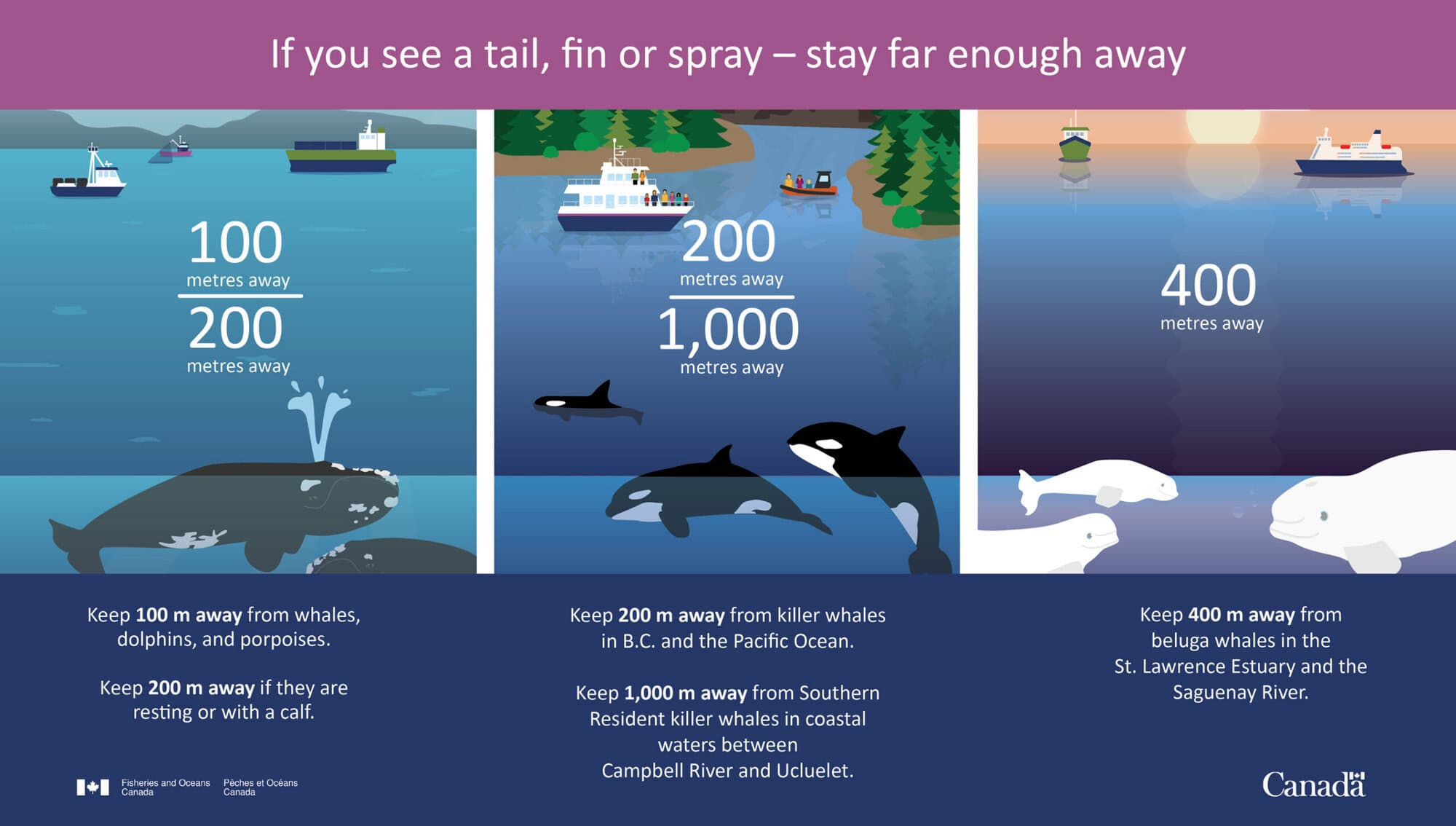
Current approach distances (2026):
- 100 metres - the minimum legal distance from any whale, dolphin, or porpoise
- 200 metres - required distance from a resting animal, an animal with a calf, or any killer whale (Northern Resident, Bigg's/Transient, or Offshore population)
- 1,000 metres - required distance from Southern Resident killer whales, anywhere in southern BC coastal waters between Campbell River and just north of Ucluelet. This distance increased from 400m in 2026 as part of enhanced federal protections for this endangered population.
- Where individual killer whales can't be reliably told apart, vessels are required to treat them as Southern Residents and stay back 1,000m - our captains are trained to do exactly this.
You can read the full regulations at Fisheries and Oceans Canada.
Our Standard: NIMMSA's Code of Conduct
 We are proud members of the North Island Marine Mammal Stewardship Association (NIMMSA), an alliance of tour operators and conservation organizations committed to protecting the marine mammals and ecosystems of Northern Vancouver Island.
As a condition of membership, we've signed NIMMSA's Code of Conduct - a standard grounded in professional training, situational awareness, and respect for marine life that goes beyond the legal minimum described above.
How we put it into practice on the water:
- Keep a safe distance Maintain required approach distances and avoid positioning vessels in ways that restrict an animal’s movement.. Why: Distance reduces stress and allows animals to move, feed, and rest naturally.
- Slow down Reduce speed to less than 7 knots within 1 km of marine mammals and minimize engine noise and wake. Why: Lower speeds reduce collision risk and help limit noise disturbance.
- Approach thoughtfully Approach from the side and travel parallel to the animal’s direction of movement. Avoid approaching from the front or behind. Why: Predictable vessel movement helps animals maintain their natural path and behaviour.
- Prevent close encounters Adjust course and speed early to maintain required approach distances and reduce the risk of close encounters. Why: Proactive distance management helps prevent mugging behaviour and reduces disturbance to marine mammals.
- Limit time and cumulative impact Limit viewing time and allow space for other vessels. Be aware of how multiple boats affect the same animals. Why: Reducing cumulative pressure helps protect animals over time, not just in a single encounter.
Beyond the Minimum
Following the law and NIMMSA's code is the floor, not the ceiling. A few things that means in practice:
- We never guarantee sightings. Wild animals are wild - that's the whole point. We know their waters, their seasonal patterns, and how to read the signs, but we will never promise you'll see a whale, and we won't compromise a safe, respectful distance to chase a "sure thing." What we can promise is a knowledgeable crew, a respectful approach, and the best possible chance based on real-time reports from the water.
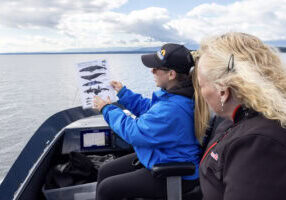
- Our captains are trained naturalists. Correctly identifying which population a killer whale belongs to - Southern Resident, Northern Resident, Bigg's/Transient - isn't optional, it's the basis for knowing what distance the law requires. Every captain is trained in identification and in adjusting course early, before minimum distances are ever at risk.
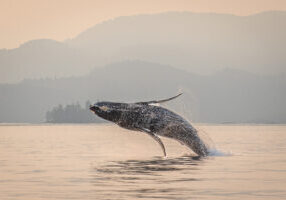
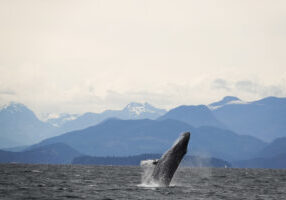
- We hold our marketing and social media to the same standard. Photos and video from our tours are taken at legal, respectful distances using zoom, not proximity. We don't post or share content - ours or a guest's - that depicts or encourages disturbing wildlife. If a guest's photo doesn't reflect responsible viewing, we won't feature it.
- We factor in cumulative impact, not just our own boat. Multiple vessels can affect the same animals even when each one individually follows the rules. Our captains communicate with other operators on the water and are willing to leave an area early if there's already too much vessel traffic near a group of whales.
- We operate on the unceded traditional territories of the Kwakwa̱ka̱ʼwakw and Coast Salish First Nations, and we're proud to be Wei Wai Kum-owned. Respect for these waters extends to the people whose territory they are.
Explore More About Responsible Whale Watching
Discover more about what it means to view marine wildlife ethically through our blog.