
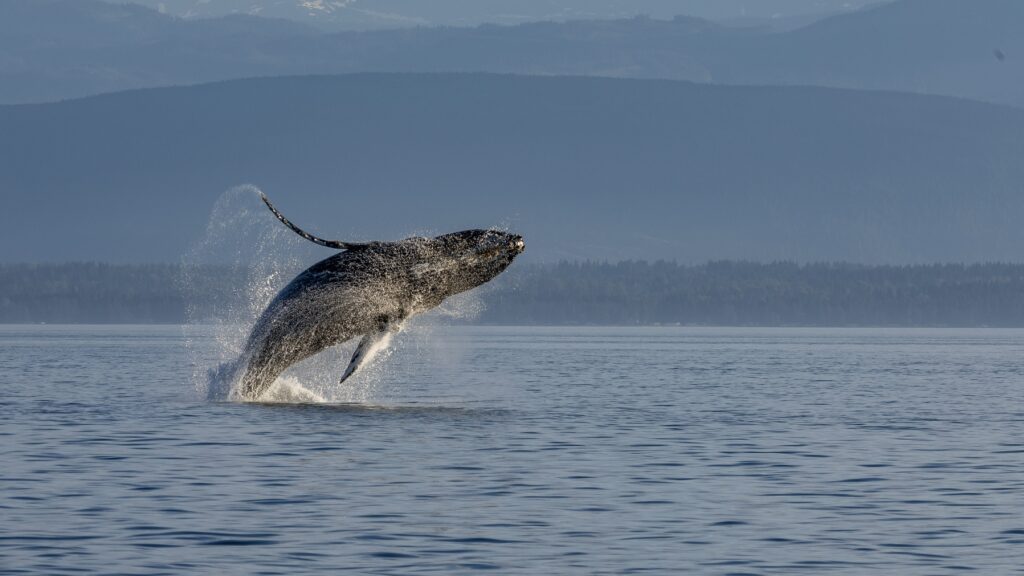
When people picture whale watching, the image is often dramatic.
A whale rising beside the boat.
A perfectly framed tail against the horizon.
A moment that feels cinematic and larger than life.
These images are powerful - and they’re everywhere. They shape what many of us expect wildlife encounters to look like before we ever step onto the water.
But real whale watching is quieter than that.
And, in many ways, far more meaningful.
The Expectations We Bring With Us
We live in a time where extraordinary wildlife moments are constantly shared online. The most striking images travel the farthest - a perfectly timed breach, a whale filling the entire frame, an encounter that looks impossibly close.
What we don’t see is the broader context behind those images.
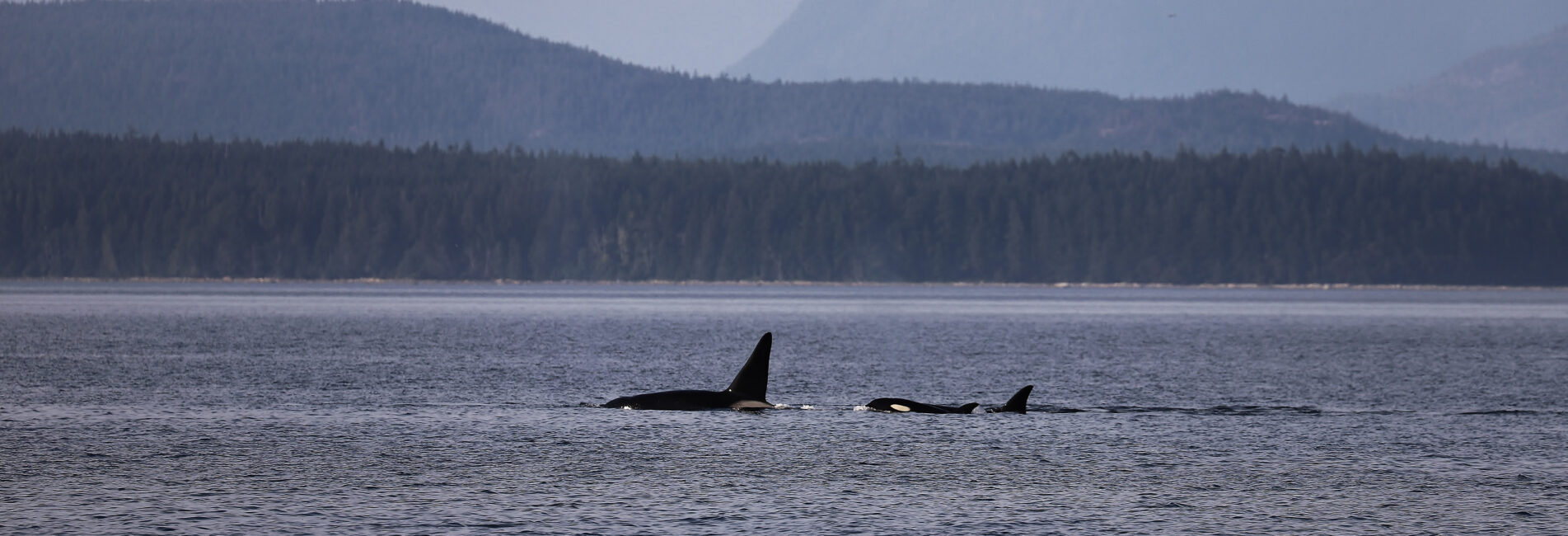
Wild animals are often photographed with long lenses that compress distance. A whale that appears just meters away may, in reality, be observed from far beyond the legally required viewing distance.
And that distance matters.
Because ethical whale watching isn’t about getting closer. It’s about knowing when not to.
Wildlife Is Not Meant to Perform
Whales are wild animals navigating their own lives - feeding, resting, communicating, and travelling through coastal waters that are their home.
In Canada, strict marine mammal regulations exist to protect them. Responsible operators follow these guidelines carefully, maintaining minimum approach distances and operating vessels in ways that reduce disturbance.
This means we don’t chase whales.
We don’t position boats for dramatic reactions.
And we don’t try to create moments for the sake of a photo.
Instead, we observe.
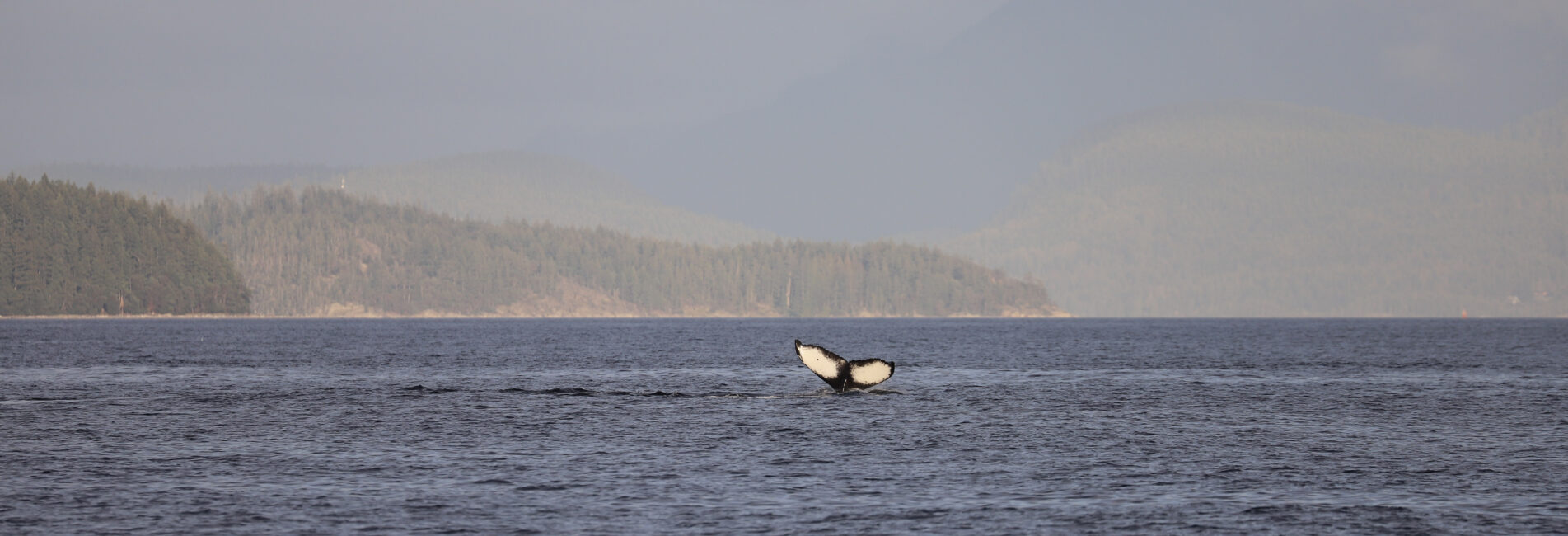
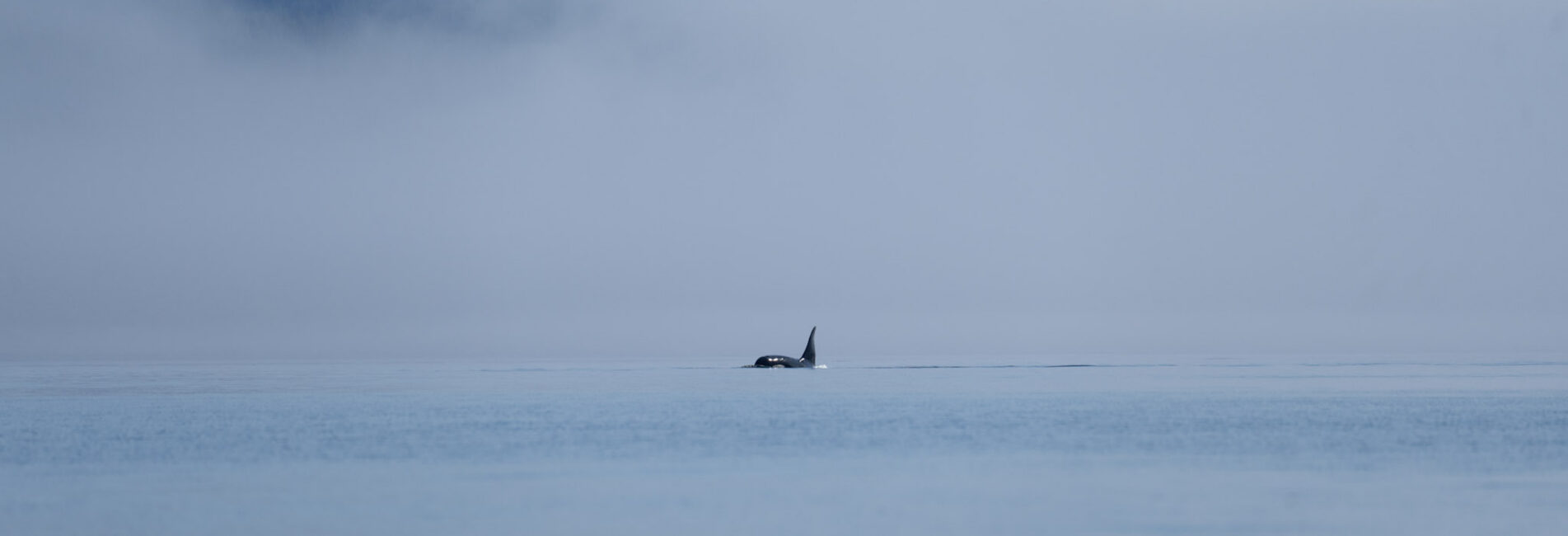
Sometimes whales surface far off in the distance. Sometimes they change direction. Sometimes they disappear entirely beneath the surface, leaving only ripples behind.
That uncertainty isn’t a limitation of the experience - it’s what makes it real.
Why Respectful Distance Matters
From afar, it can be easy to assume that closer is better. But for wildlife, space is safety.
Keeping distance allows whales to behave naturally without altering their movement, communication, or feeding patterns. It reduces stress, prevents habituation and ensures encounters remain sustainable for years to come.
A respectful encounter may look different from what people expect - quieter, slower, more patient.
But it allows something important to happen: wildlife remains truly wild.
And that is the experience we aim to share.
Every Day Is Different
One of the most honest things about whale watching is that nothing is guaranteed.
We cannot predict which species will appear, how active animals will be, or how long an encounter will last. Some days offer distant sightings across calm water. Other days reveal unexpected wildlife entirely - sea lions, porpoises, seabirds, or simply the changing coastal landscape itself.
Nature decides the rhythm of each tour.
Our role is simply to meet it with curiosity.
Redefining a “Good” Whale Watching Trip
A successful whale watching experience isn’t measured by proximity or spectacle.
It’s measured by witnessing animals living naturally - without pressure, without interference, and without turning their habitat into a performance space.
Often, guests leave surprised by what stayed with them most:
the anticipation,
the shared excitement,
the stillness of watching the ocean,
and the realization that they were visitors in a living ecosystem.
Expectation looks for control.
Reality offers connection.
What Whale Watching Truly Promises
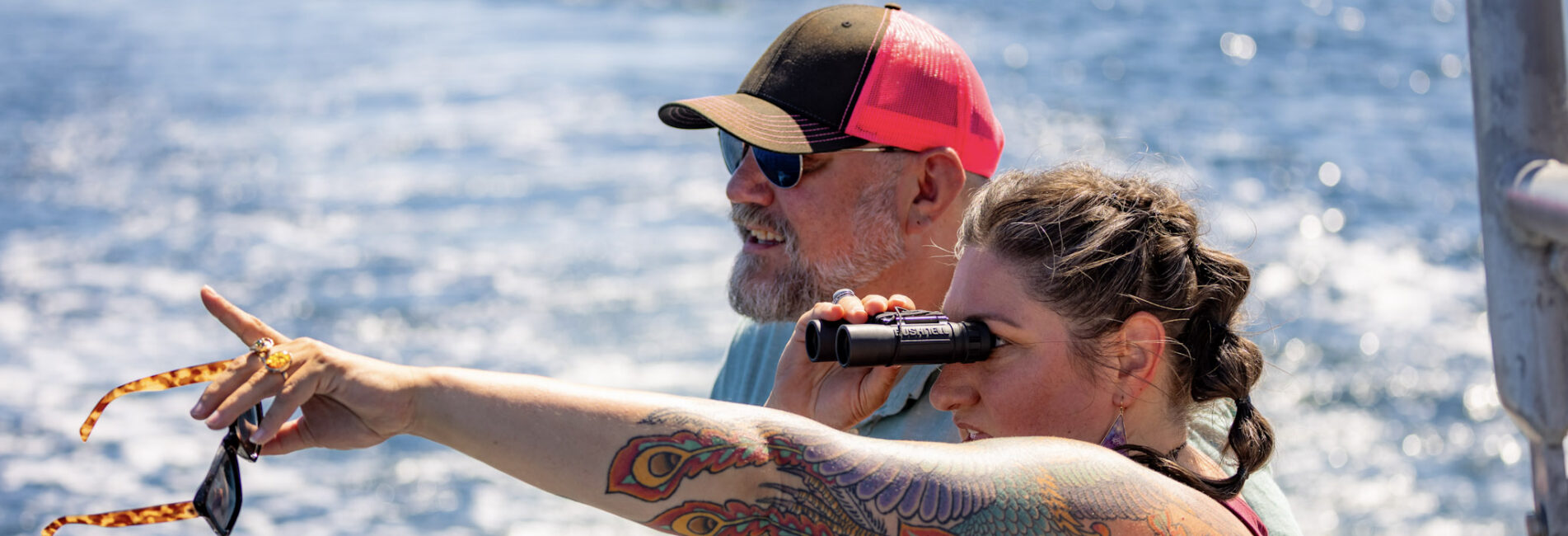
Whale watching doesn’t promise close encounters or perfect photographs.
What it offers instead is the chance to experience wildlife ethically - to observe rather than pursue, and to appreciate animals exactly as they are.
Every tour is different because nature is different every day.
And sometimes the most powerful part of the experience is understanding that the best wildlife encounters aren’t defined by how close we get…
but by how respectfully we choose to watch.
Words by Maddie Lemke