
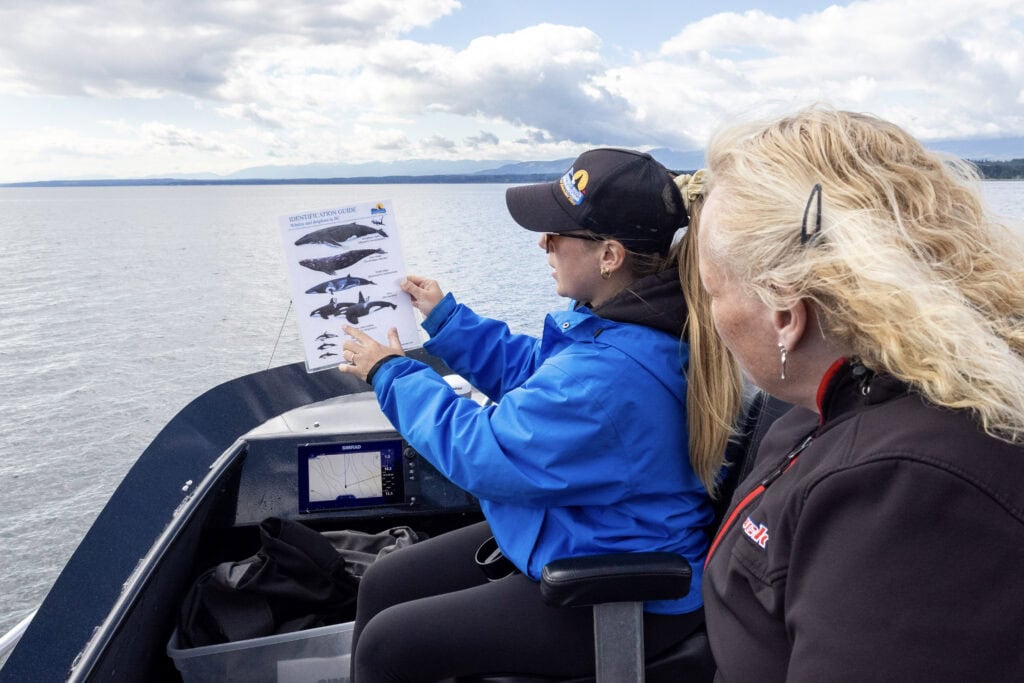
Every photograph of a whale is an opportunity to discover who they are. Through photo-identification, we can recognize individual humpback whales by the unique patterns on the underside of their flukes and the shape of their dorsal fins. Orcas can be identified by their dorsal fins, saddle patches, scars, and eye markings.
Being able to identify individual animals is a powerful tool for both science and storytelling. Around Vancouver Island, photo-identification has transformed our understanding of whales and helped build connections between people and the animals that share our coast.
In the 1970s, researcher Michael Bigg began systematically photographing killer whales and identifying them by their unique markings. Working with reports from local mariners, he discovered that there were far fewer whales than previously believed and that distinct populations of fish-eating and mammal-eating orcas regularly returned to the same areas. These discoveries helped change public perceptions of killer whales and contributed to their protection. Today, the mammal-eating ecotype is known as Bigg’s killer whales in recognition of his work.
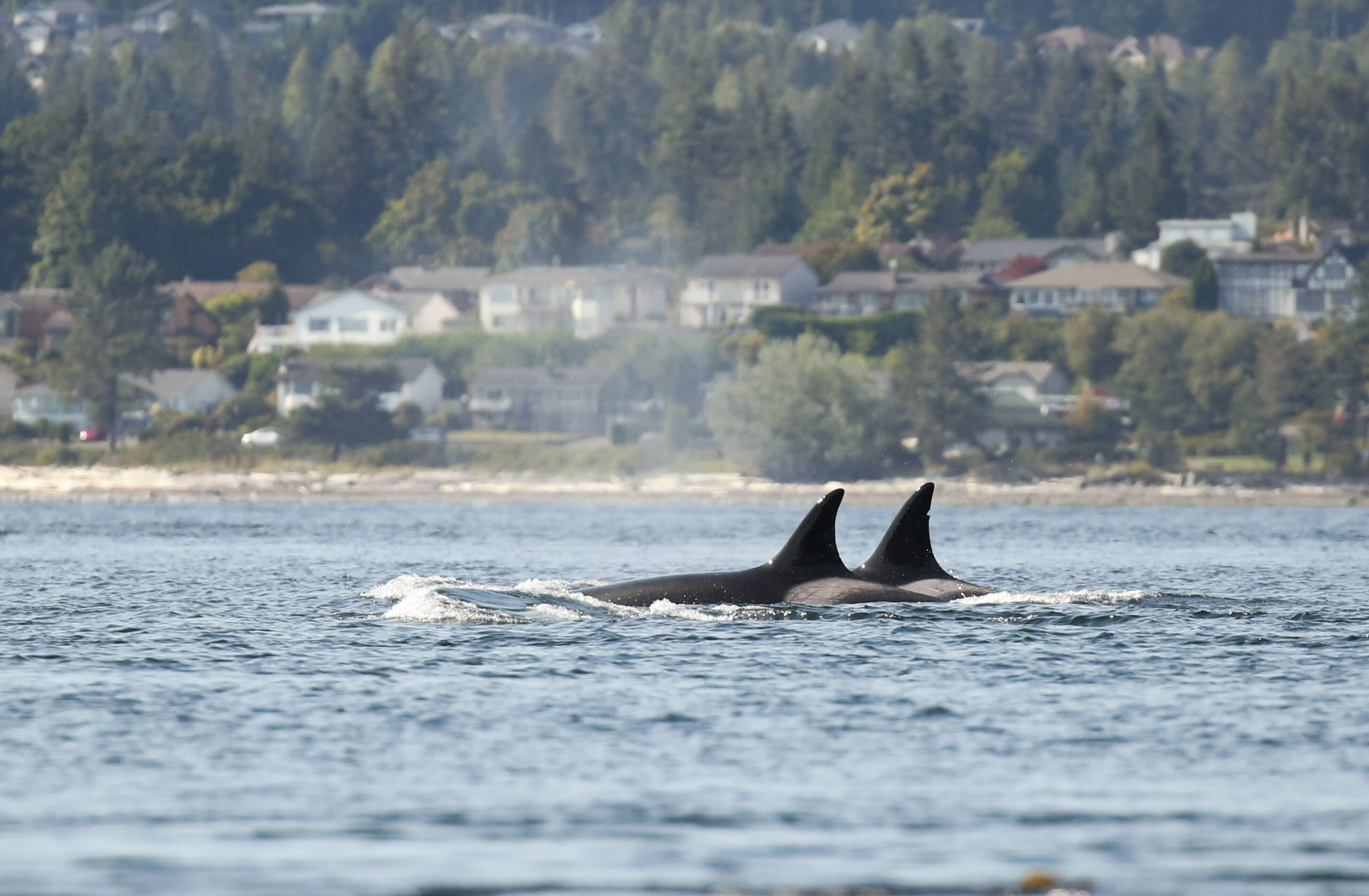
Photo Credit: Rosalie Burauen
The return of humpback whales to Vancouver Island’s waters over the past two decades is another remarkable conservation success story. The first modern records of their recovery were documented by Alexandra Morton in the 1980s, and today photo-identification efforts are managed by several organizations along the coast. In our region, the dedicated researchers at the Marine Education and Research Society (MERS) have compiled an extensive catalogue that allows us to identify many of our ocean neighbours while out on the water.
For photo-ID enthusiasts, spring is the most exciting time of year. Familiar whales return from their winter breeding grounds in Hawaii and Mexico, while new, previously undocumented individuals begin to appear. The connections we form with these animals allow us to tell their stories and advocate for the species as a whole.
KC (BCY0291), for example, was first documented in 2002 and has since survived at least two fishing-gear entanglements and a vessel strike - a stark reminder of the challenges humpback whales face in our waters.
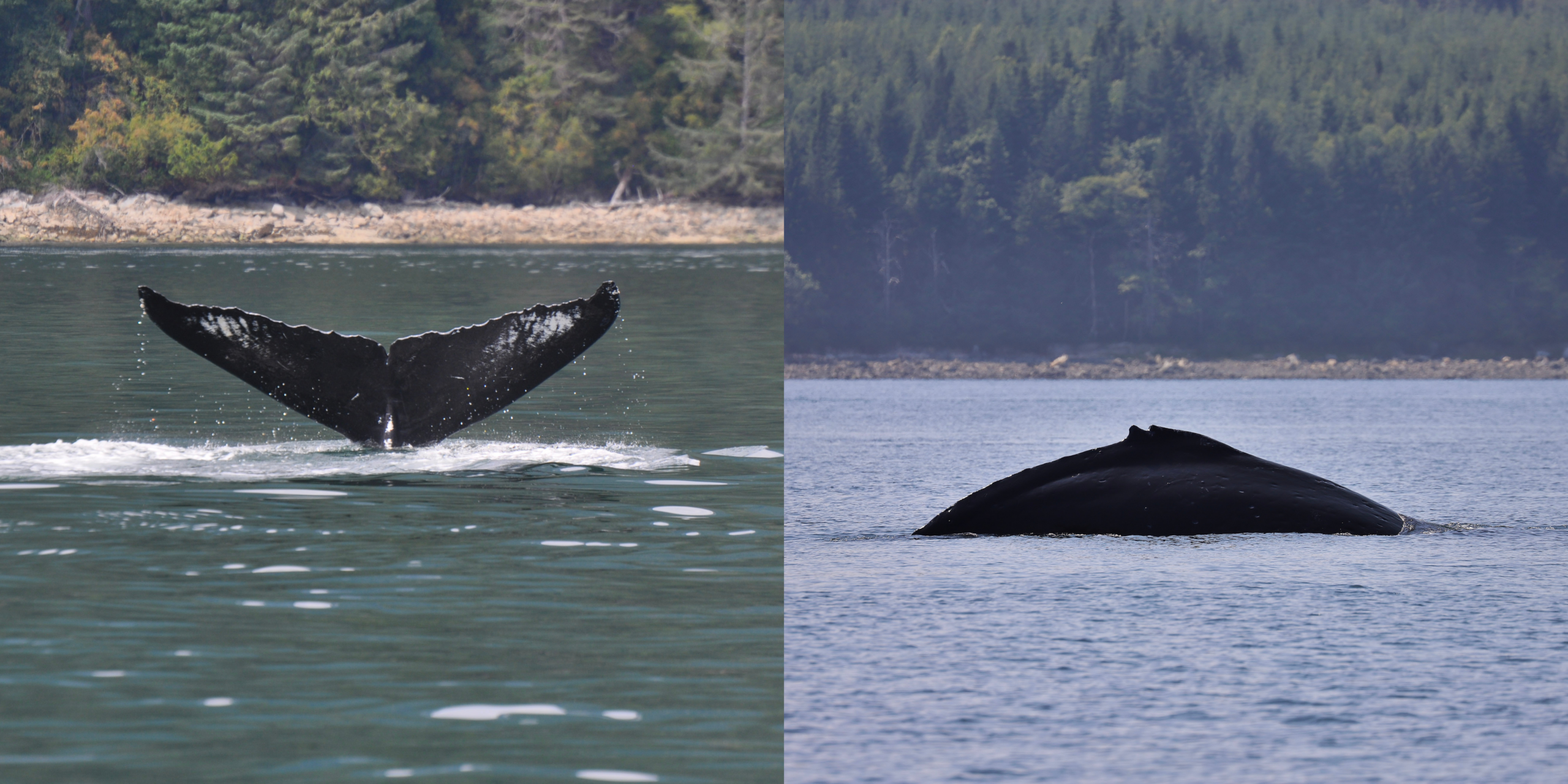
Kelp Creature aka "KC" (BCY0291) | Photo Credit: Rosalie Burauen / Bri Hamlyn
Another example is Apollo (BCY0862), whom we were fortunate to document in British Columbia with her newest calf this year. Thanks to contributions from researchers and citizen scientists across the coast, we know Apollo’s story from her birth in 2010. At just sixteen years old, she is now travelling with her third calf and has already become a grandmother.
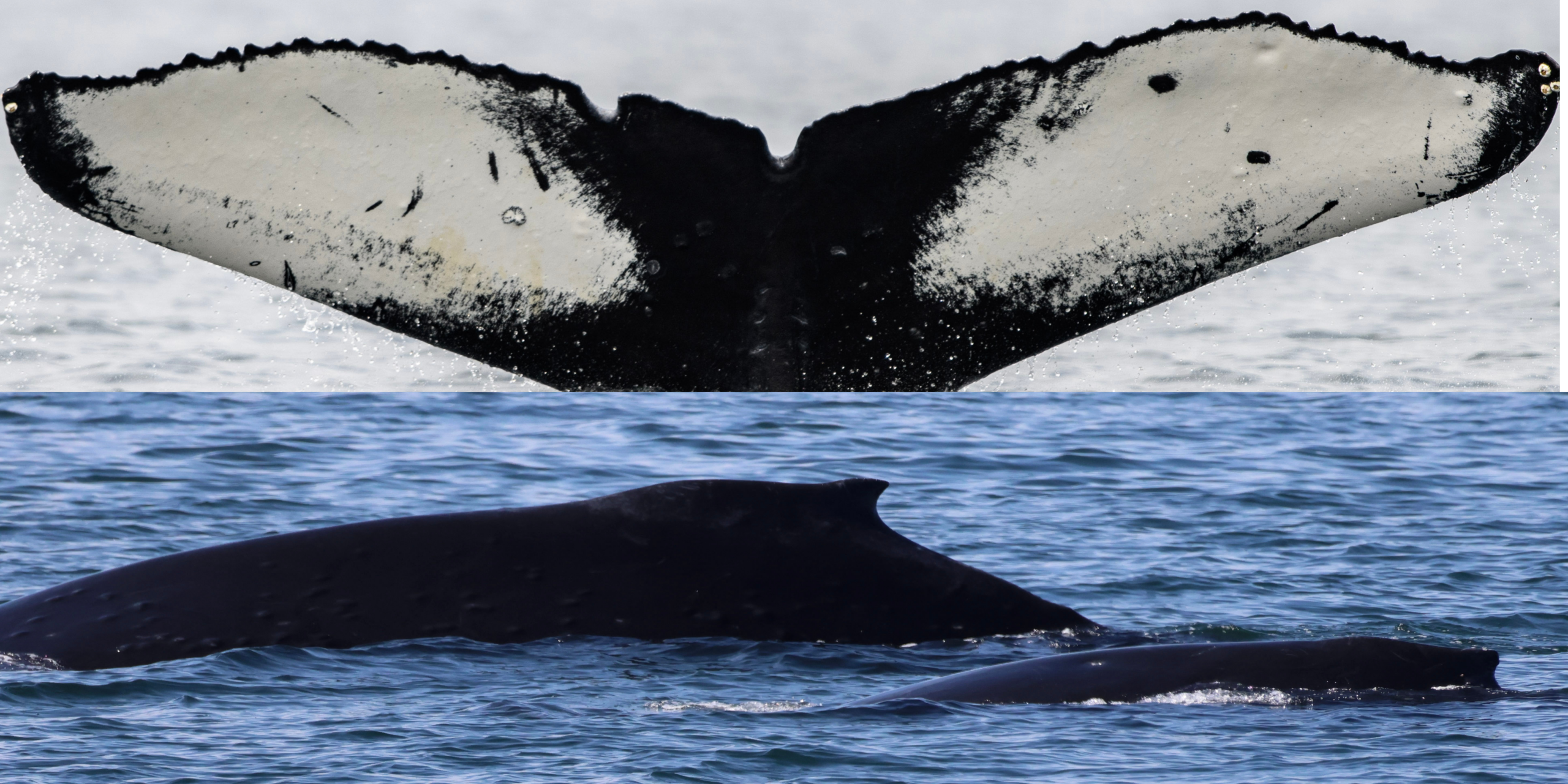
Apollo (BCY0862) | Photo Credit: Fabian Muehlberger / Rosalie Burauen
Whales have life stories much like our own. They return to familiar places, spend time with family and companions, and face challenges throughout their lives. Photo-identification, combined with the collective efforts of people on the water, is a simple yet remarkably effective tool that allows us to document these stories and share them with the wider world.
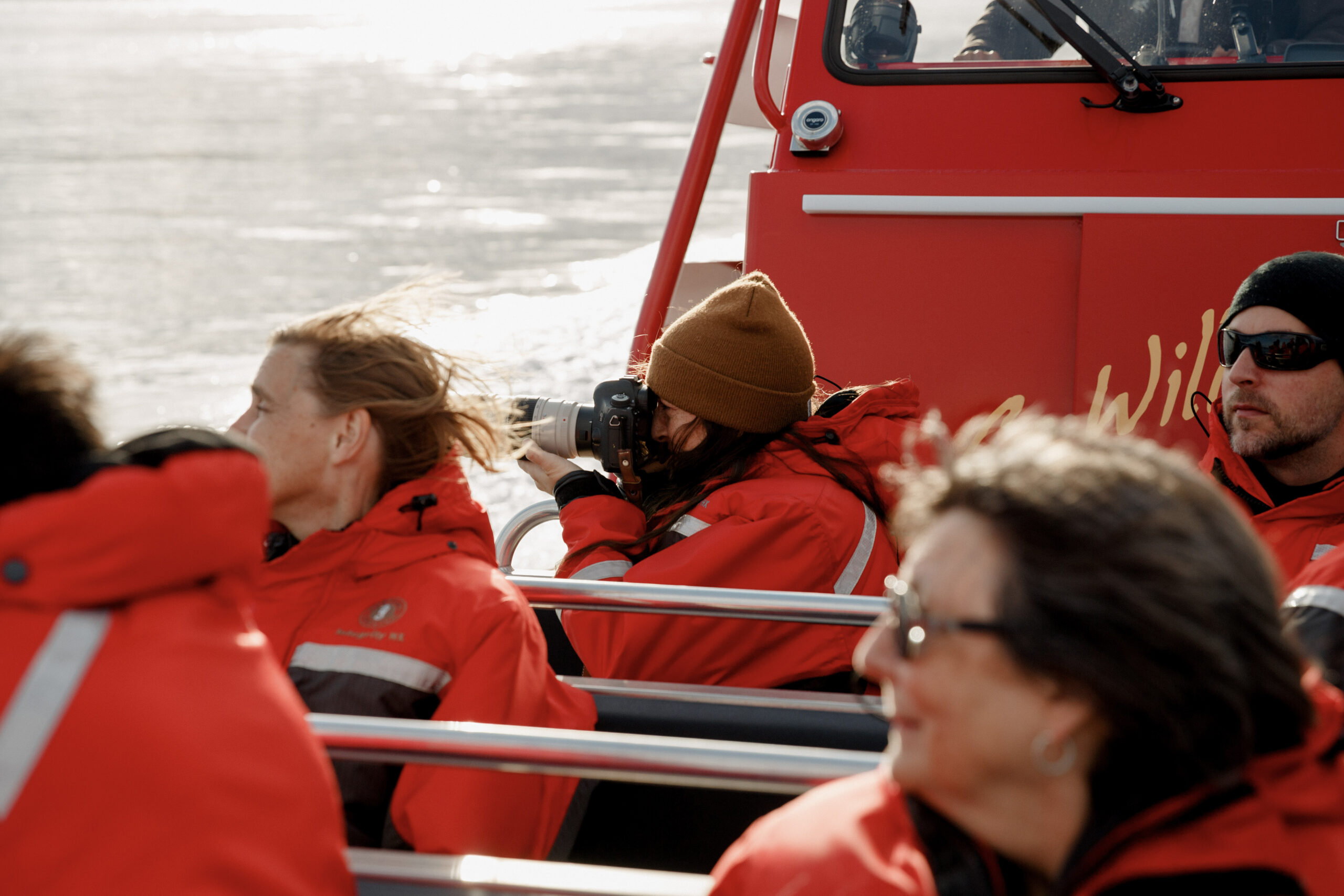
Photo Credit: Bluetree Photography
Anyone with a camera can contribute. Whether you are watching from shore or joining us on a tour, your photographs may help researchers identify individual whales and better understand their lives. By submitting your images to MERS or platforms such as Happywhale, you become part of a growing community helping to protect these animals through science.
So what are you waiting for? Get to know your neighbours.
A quick guide to contributing to whale research:
- Follow the Marine Mammal Regulations and remain at least 200m from the whale
- Take a picture of the underside of the tail and/or dorsal fin. An ID is possible from both!
- Note date, time, location, and the photographer’s name
- Humpback Whales:
- For local pictures taken around Vancouver Island, please submit to MERS here.
- For world wide submission, please submit with Happywhale after setting up a free account.
- Bigg’s Killer Whales:
- For all pictures you can submit to Finwave after setting up a free account
- Congrats, you are a whale research contributor! All platforms will get back to you once they have identified the individuals.
Hint: You can follow any Humpback Whales you saw or would like to know more about on the Happywhale page and get notified whenever they are seen!
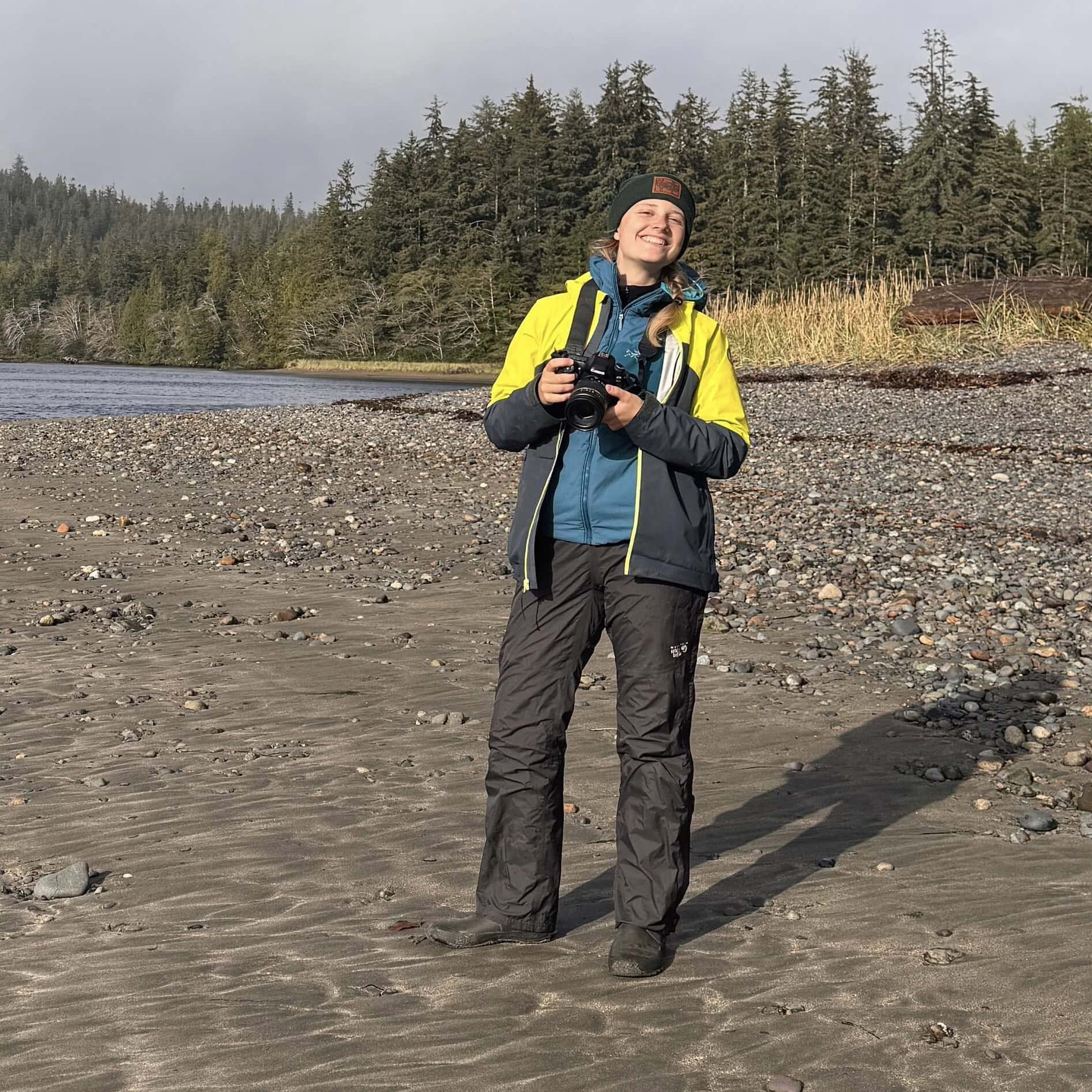
Written by Rosalie Burauen
Rosalie is a naturalist and guest experience team member at Campbell River Whale Watching. Originally from Germany, she is currently studying Biology at Vancouver Island University in Nanaimo and is passionate about marine mammals, seabirds, and ocean conservation. Rosalie enjoys helping guests connect with the incredible wildlife of Vancouver Island - especially humpback whales, orcas, and coastal bird species.