Toba Inlet Grizzly Bear Expedition from Campbell River
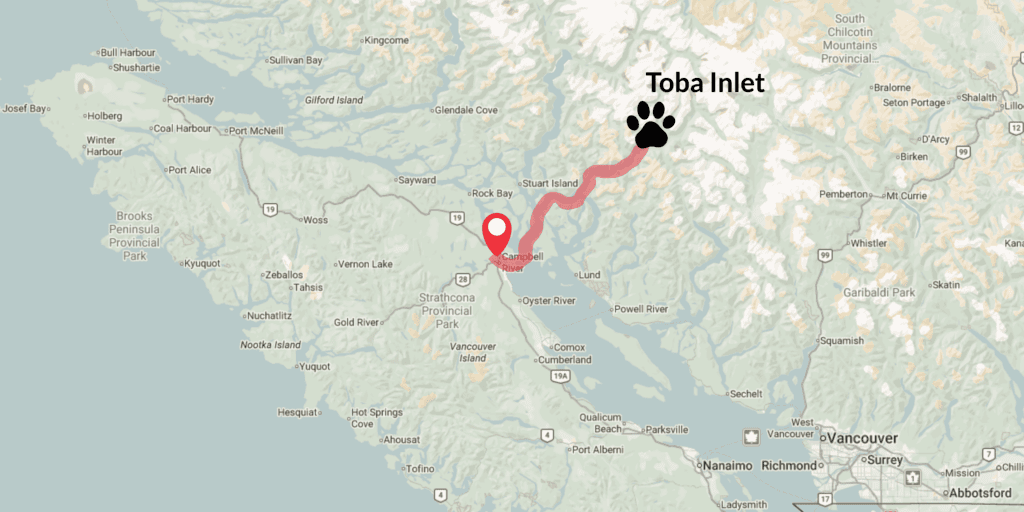
Explore the wild beauty of Toba Inlet alongside the Klahoose First Nation, whose guides share generations of knowledge and cultural connection as you observe grizzly bears in one of British Columbia’s most remote coastal ecosystems.
- Operating Season
- August 26 – October 15
- Departures
- Daily departures at 9:30 am from August 26 to September 30, and at 9:00 am from October 1 to 15. Additional departures at 7:00 am on Sundays, Wednesdays, and Thursdays.
- Vessel & Transportation
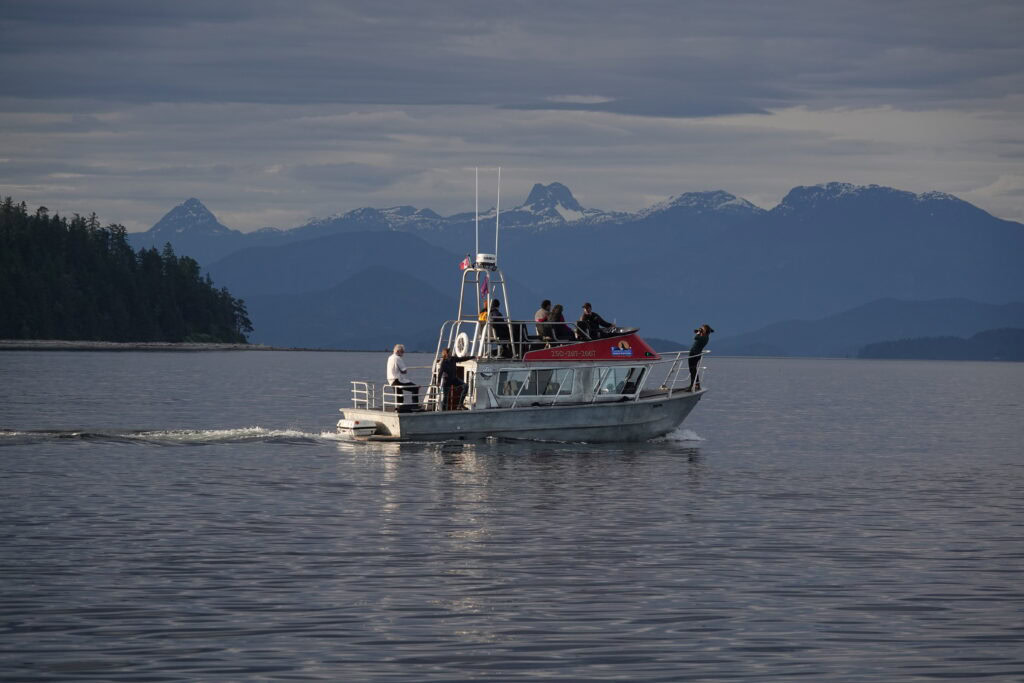
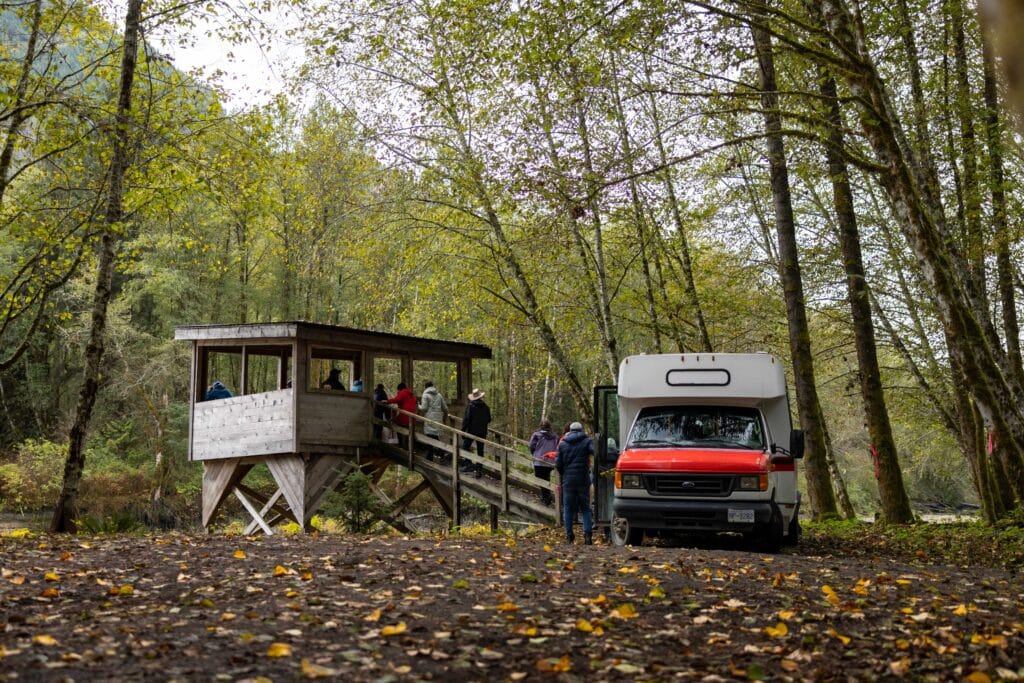
- Operated aboard a covered, heated vessel with an onboard washroom, plus comfortable vans for the land-based bear viewing portion.
- Starting From
- $720.72 CAD per adult*
- *Price includes a $15 Commercial Bear Viewing Association fee and a $5 conservation fee, and is subject to 5% GST.
Grizzlies and Fjords of Toba Inlet
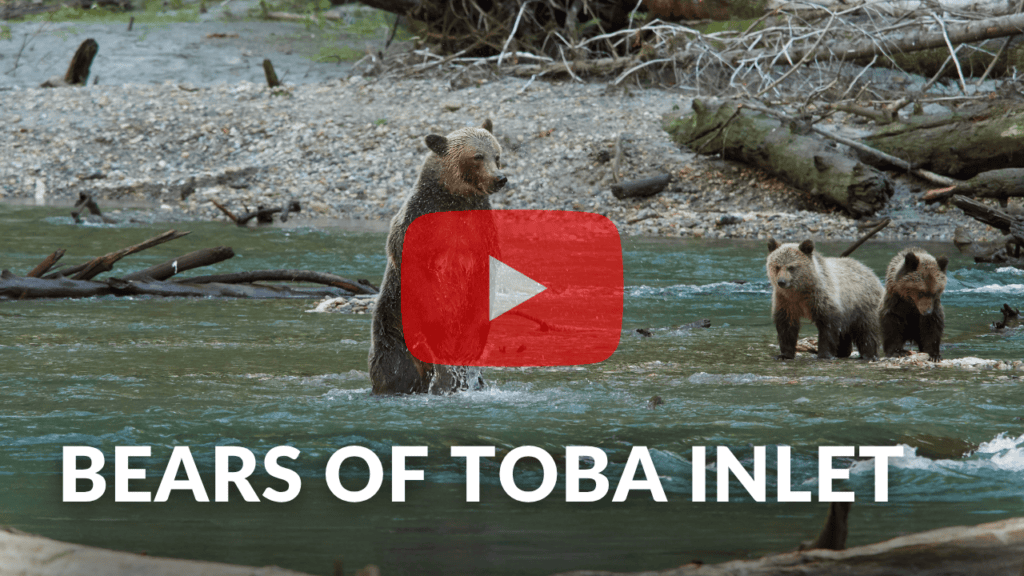
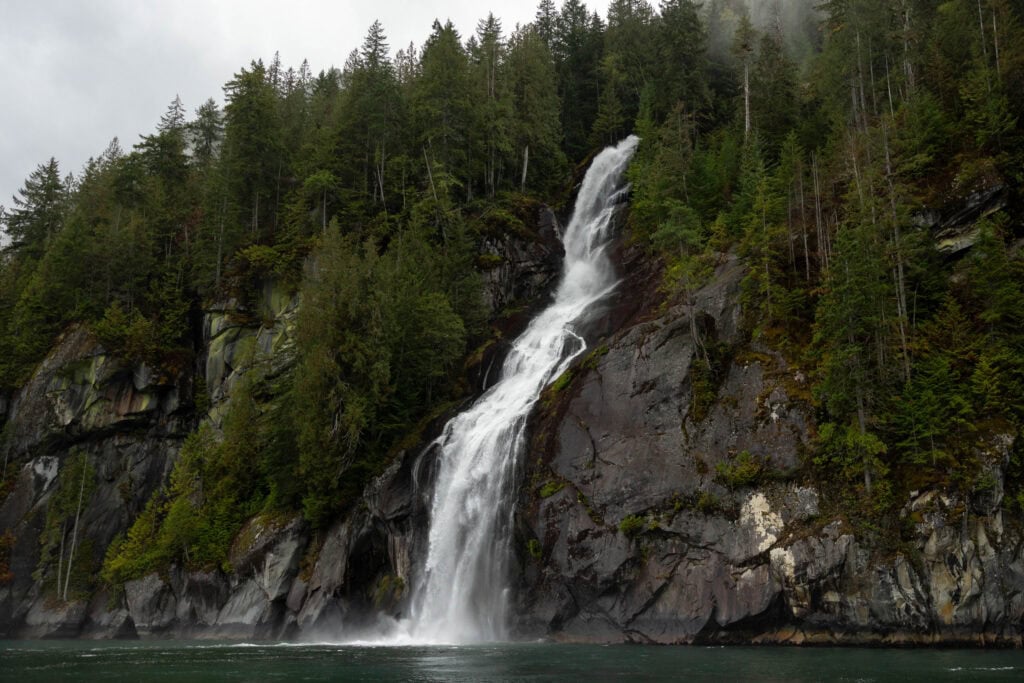
Set out on an unforgettable adventure through the fjords of Toba Inlet. Your journey begins with a scenic 2–3 hour boat journey through the waterways of Desolation Sound, where cascading waterfalls and dramatic coastal scenery hint at the wild beauty to come. Step ashore for land-based grizzly bear viewing guided by members of the Klahoose First Nation, who share their deep connection to this land through stories, traditions, and generations of knowledge.
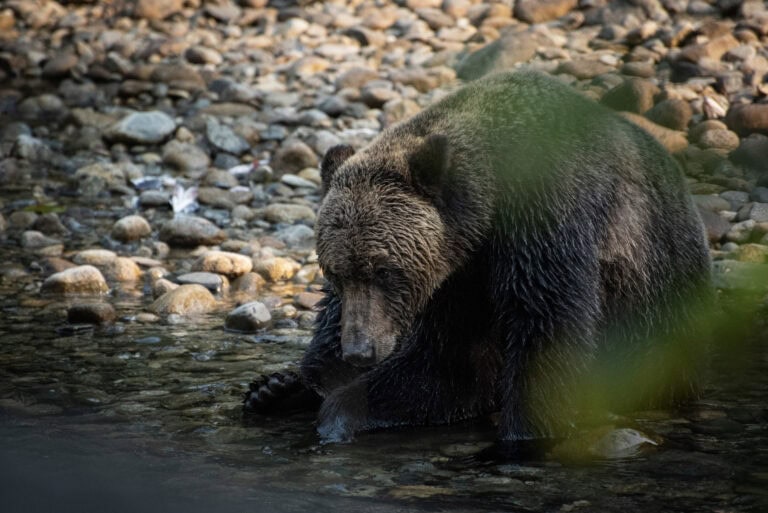
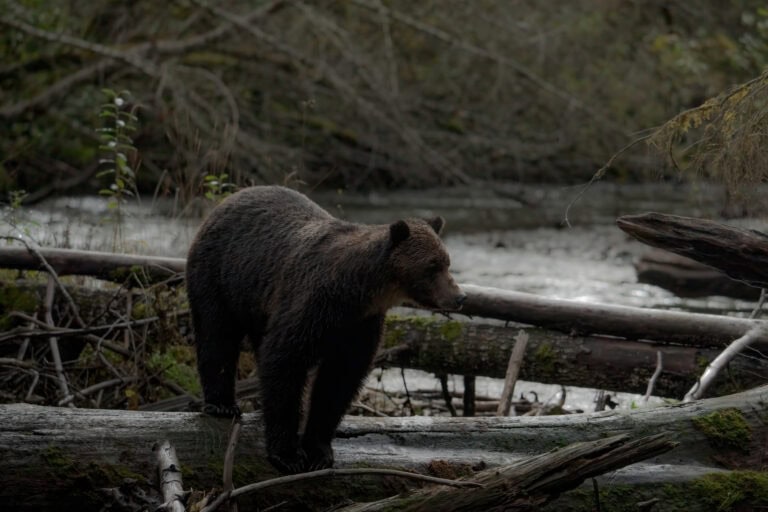
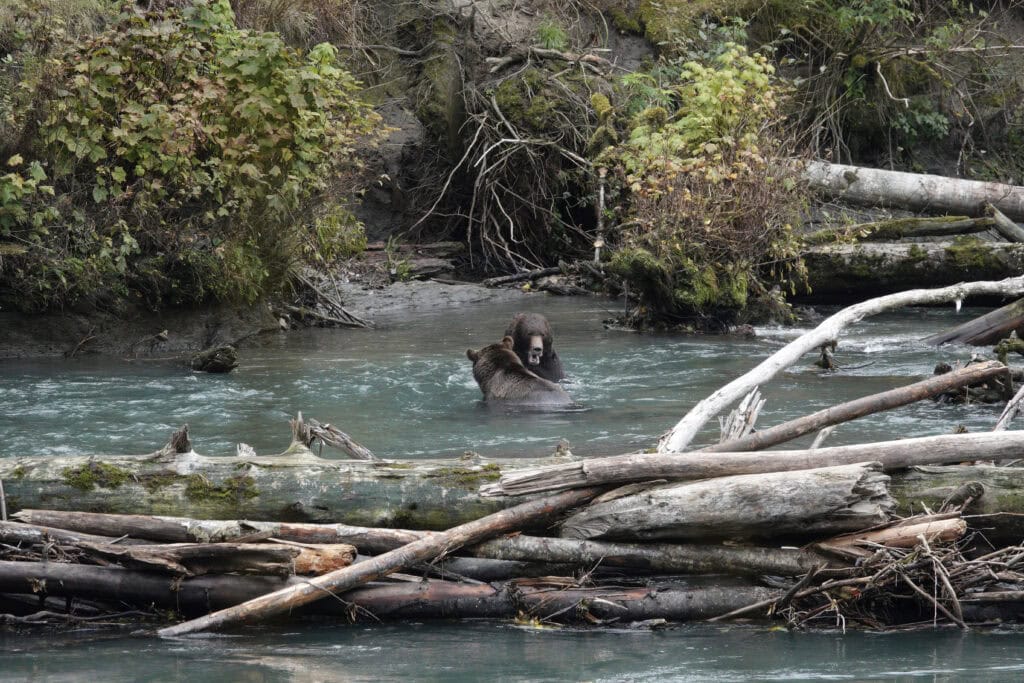
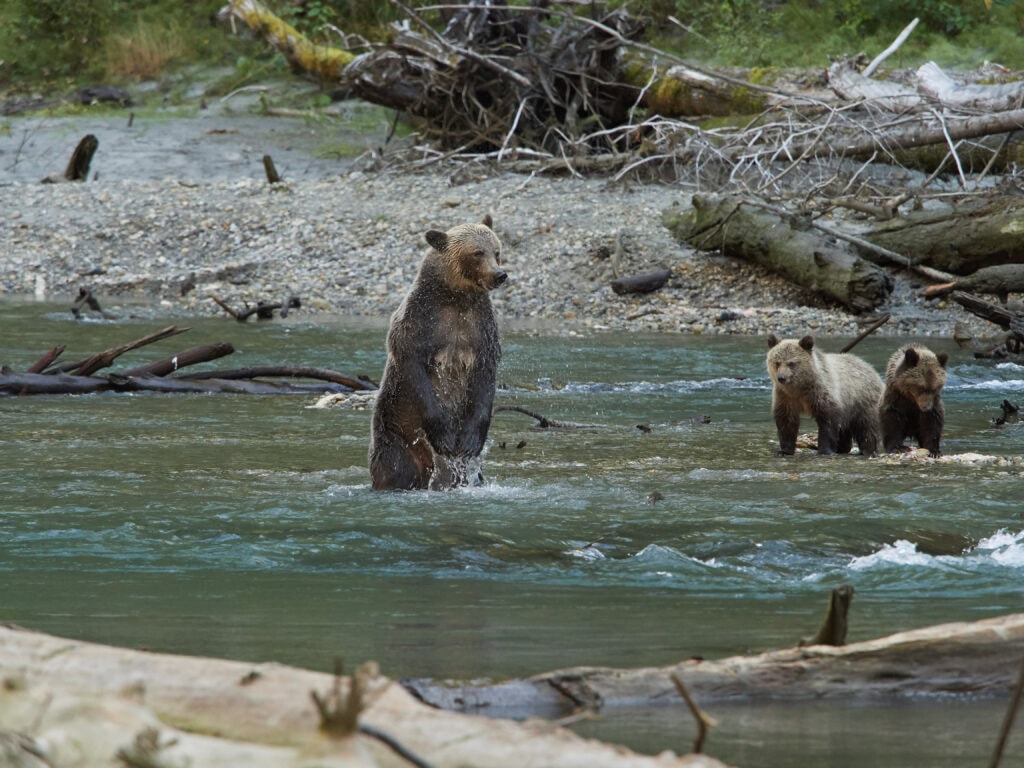
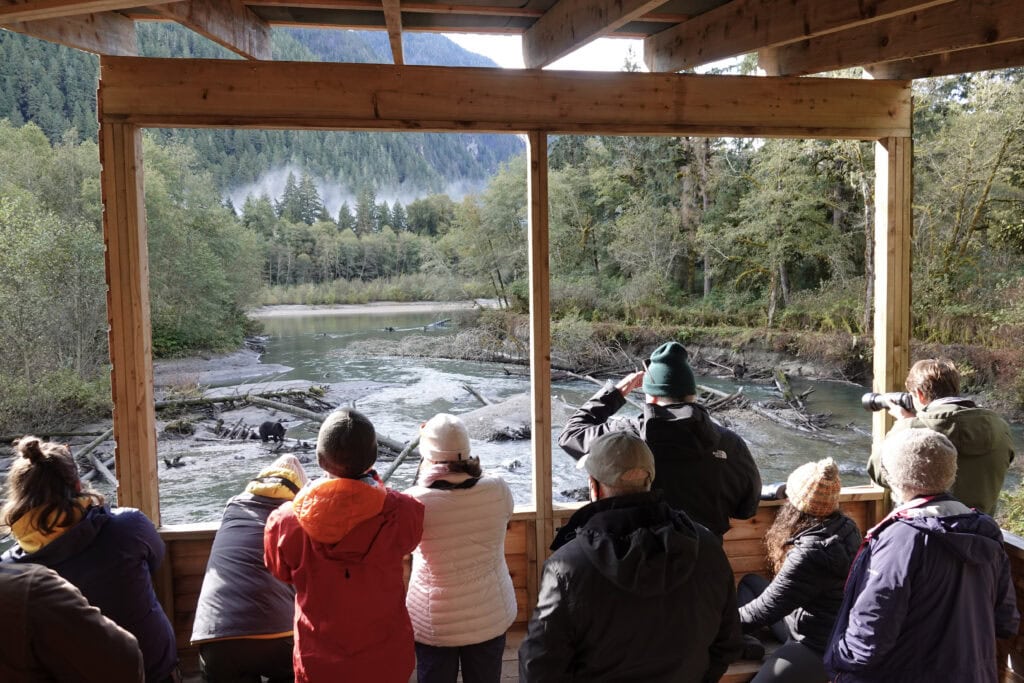
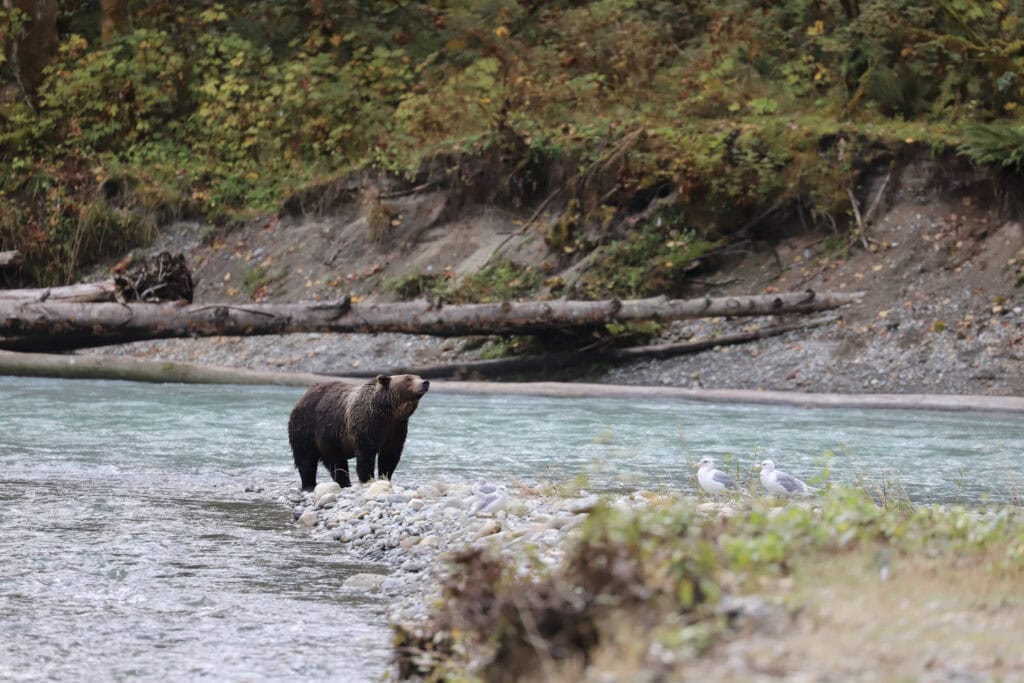
Witness grizzly bears in their natural habitat, from powerful male grizzlies to the occasional sow with cubs.
At 8–9 hours, this is the longest grizzly bear tour into Toba Inlet, designed to immerse you fully in both the marine and terrestrial wonders of the region. Experience breathtaking wildlife encounters, unparalleled fjord scenery, and the cultural insights that make this journey truly unique.
Minimum age: 10 years old
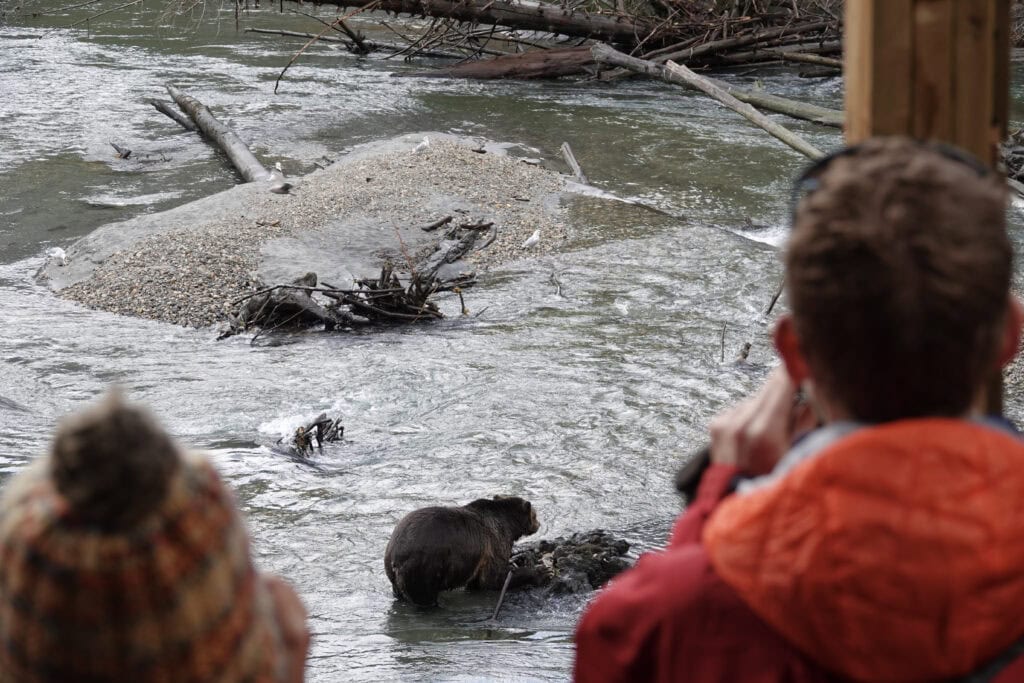
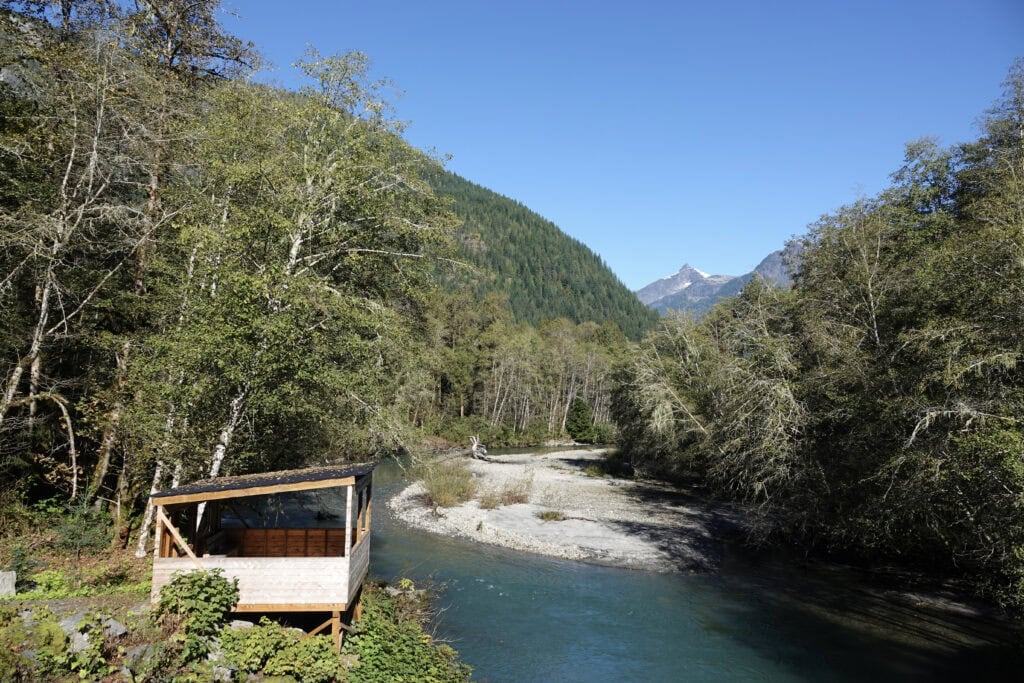
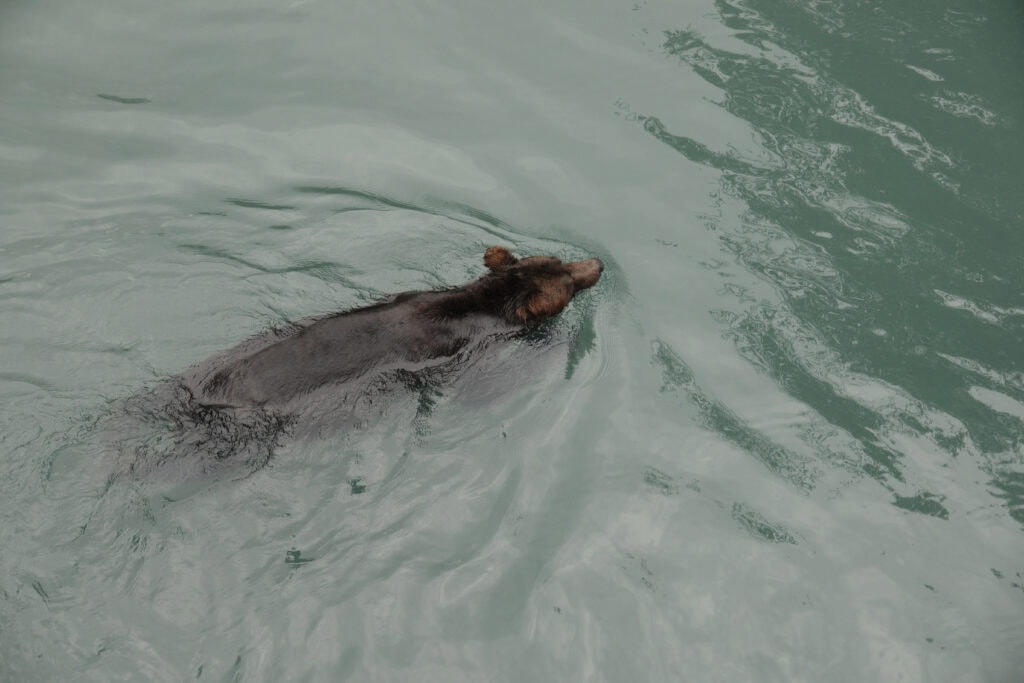
What you might see



What’s included
- Travel aboard a well-maintained 12-passenger vessel with an onboard bathroom.
- Scenic boat ride through Toba Inlet, with extra time allocated to view marine wildlife.
- Certified Naturalist guide and Captain providing engaging nature interpretation.
- Klahoose First Nation Bear Guide sharing cultural knowledge during land-based viewing.
- 3 hours on land in Toba Inlet, observing grizzly bears on raised, covered platforms as they hunt and feed on spawning salmon.
- Opportunities for photography and wildlife observation – cameras and binoculars welcome (tripods not recommended).
- Homemade zero-waste lunch, including fresh wraps, baked goods, and beverages (coffee, tea, hot chocolate, water).
- Snack and water provided: a homemade granola bar and a reusable water bottle.
What to bring
- Camera & Telephoto Lens – Capture wildlife from a safe distance; bring a protective case.
- Binoculars – We have a few to share, but personal binoculars give you the best view.
- Warm Layers – The coast can be chilly. Think T-shirt, fleece or thin puffy jacket, and a rain jacket.
- Beanie & Gloves – Stay warm and comfortable during land-based viewing.
- Sun Protection – Sunglasses, sunscreen, and a hat are recommended.
- Reusable Water Bottle – Fill up at our office or grab one on board if needed.
- Optional Snacks – Bring extra treats if you like.
- A Smile & Sense of Adventure – Essential for making the most of your experience!
What our guests say about this tour
FAQs
How much does the grizzly bear tour cost?
Our Grizzly Bear Tour pricing is divided into three seasonal periods – Early Season, Primary Season, and Late Season – reflecting changes in bear activity and visitor demand throughout the salmon run.
In the early season, the salmon run is just beginning and bears are often more spread out as they feed on shellfish and vegetation while waiting for increased fish activity. This period is offered at a discounted rate.
The primary season aligns with peak salmon runs, when bears gather along the rivers and wildlife viewing is typically most consistent.
During the late season, visitor numbers decrease heading into October, while bear sightings remain excellent. Reduced rates apply during this quieter time of year.
Early Season (August 26 – August 31)
$720.72 per person
Subtotal subject to 5% GST
Primary Season (September 1 – September 30)
$775.84 per person
Subtotal subject to 5% GST
Late Season (October 1 – October 15)
$720.72 per person
Subtotal subject to 5% GST
What is the minimum age for this tour?
The age limit for any grizzly bear tour is 10 years old.
How likely is it that we will see bears? Is there a guarantee?
While we can never guarantee wildlife sightings, we’re proud of our high success rate – especially during our peak grizzly bear viewing season. It’s very rare that we don’t see a bear. For a better idea of what to expect, you can check out our sightings reports from previous years.
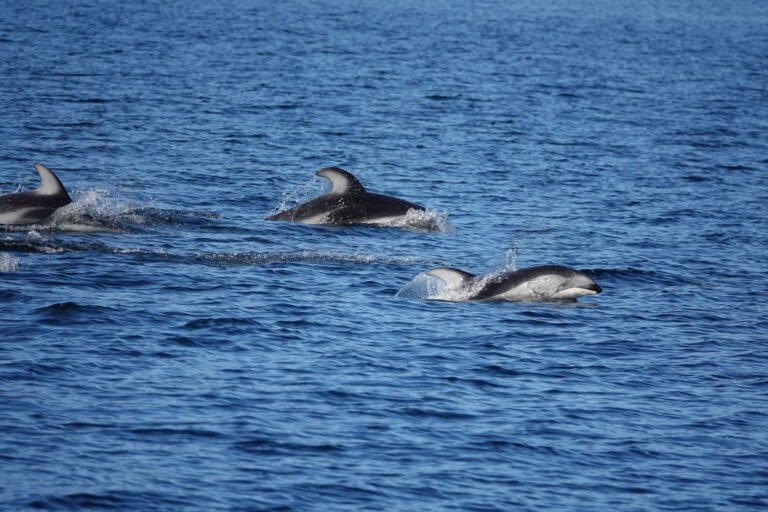
In 2024, we saw grizzly bears on 83% of our Toba Inlet Tours. Additionally we saw Orcas on 47% and Humpback Whales on 96% of our Toba Inlet Grizzly Bear Tours.
Do tours run in all types of weather?
Our tours go ahead regardless of the weather, but safety is always our top priority. In the event of extreme weather or high winds, tours may be canceled at the discretion of our qualified crew. If this happens, we’ll reach out to you directly. If we’re unable to proceed with your scheduled tour due to weather, you will be contacted and given a full refund.
What is the difference between the Bute Inlet and the Toba Inlet grizzly bear tour?
Both Bute and Toba Inlets follow a similar structure: a scenic three-hour boat ride each way through the Discovery Islands, paired with three hours of land-based bear viewing along salmon rivers with Indigenous guides. The difference lies in place and perspective.
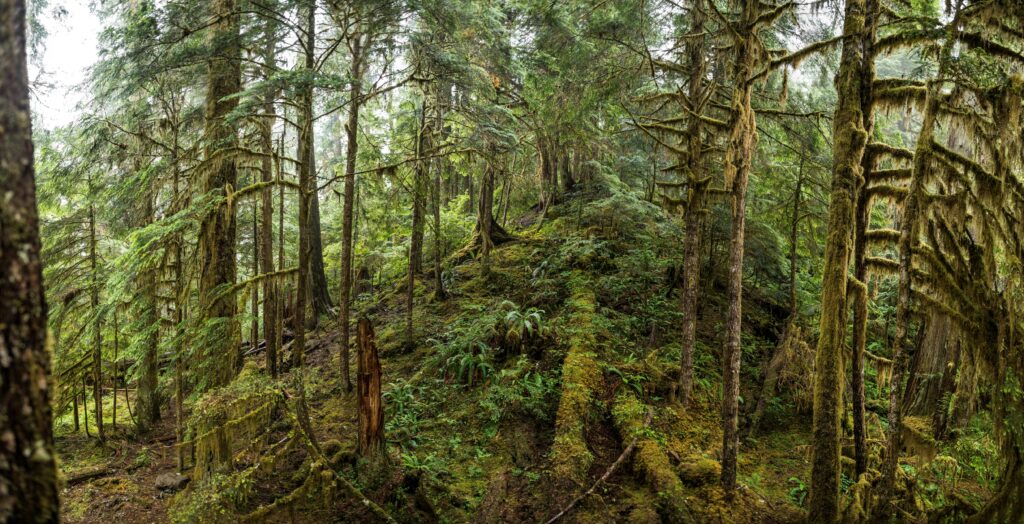
Bute Inlet, home to the Homalco First Nation, features turquoise waters, tidal rapids, and is often known for sightings of mothers with cubs along the Orford River. Toba Inlet, within Klahoose First Nation territory, is defined by glacier-carved fjords, rushing waterfalls, and lush rainforest along the Klite River, where larger males are frequently observed.
If time and budget allow, visiting both inlets offers the most complete experience of the grizzlies and cultures that define this remarkable region.
Responsible Bear Viewing is Our Top Priority
We love seeing bears as much as our guests do! But their safety, comfort, and natural behaviour always come first. Our goal is to provide unforgettable wildlife experiences while minimizing any impact on these incredible animals and their environment.
We are proud members of the Commercial Bear Viewing Association of British Columbia (CBVA), and we follow their Code of Conduct, which goes above and beyond in ensuring safe and respectful bear viewing.
How We Protect Bears and Their Habitat
- Keep a safe distance: Bears have personal space, and we never approach, crowd, or chase them. Guides set boundaries so bears can choose how close they want to come.
- Minimize disturbance: We move quietly, limit noise, and position ourselves so bears can feed, rest, and travel without disruption.
- No human food or garbage: Bears must never have access to human food, and all waste is securely managed.
- Predictable behaviour: Our guides act consistently and safely, helping bears feel comfortable and reducing stress.
- Group safety and etiquette: Guests stay together, follow the guide’s instructions, and respect the bear’s signals.
- Boat and land-based viewing: We maintain respectful distances from shore and water, approach slowly, and coordinate with other viewing groups to avoid crowding.
We carefully observe each bear’s behaviour and will end a viewing session if an animal shows signs of stress or discomfort. Our priority is always the well-being of the bears, even if it means giving up a closer look.
For a full list of guidelines, you can view the CBVA Code of Conduct.
Protecting Old Growth Forest, One Square Meter at a Time
For every guest who joins us on a tour, we protect 1 square meter of old growth forest! Since 2018, we’ve partnered with Wilderness International to conserve rainforest on Canada’s West Coast, ensuring its preservation forever. This vital work helps sequester carbon and protect the last of our planet’s intact habitats through legally secure land purchases.
You’ll receive a personalized certificate featuring an aerial photograph and geocoordinates, so you can see exactly which piece of forest you’re helping to protect!
Want to do even more? During checkout, you’ll have the option to make an additional donation to Wilderness International, helping protect even more rainforest and expand our conservation efforts.

Support Bear Conservation With Every Tour
When you join us for a bear viewing adventure, you’re not just creating unforgettable memories – you’re helping protect bears and their habitat. $15 from every ticket goes directly to the Commercial Bear Viewing Association’s (CBVA) Small Grant Program for Bear Conservation.
Each year, the Small Grant Program funds initiatives that support the protection of grizzly, black, and spirit bears, while also engaging local communities, First Nations governments, researchers, and conservation organizations.
The program supports projects that:
- Advance bear conservation and habitat protection
- Promote research, education, and community engagement
- Build skills within the bear viewing, research, and conservation network
By joining a bear viewing tour with us, you’re directly contributing to these conservation efforts – helping ensure future generations can experience bears in the wild.
Learn more about the CBVA Small Grant Program for Bear Conservation here.
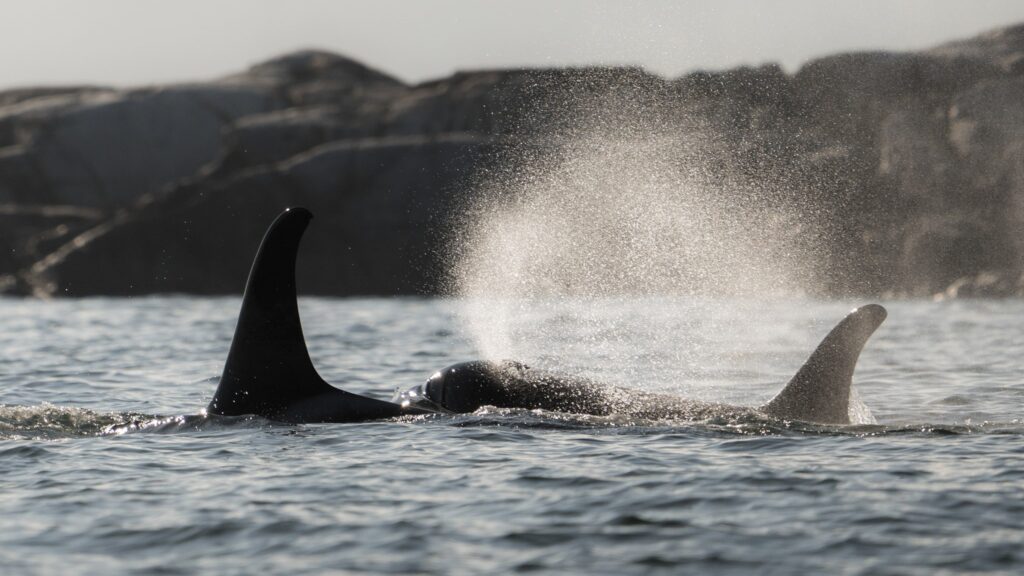
$5 Of Every Ticket Supports Local Marine Mammal Conservation
As part of every ticket, a $5 conservation fee is donated to local marine conservation initiatives such as the North Island Marine Mammal Stewardship Association (NIMMSA) Conservation Fund and other non-profit conservation projects.
NIMMSA works tirelessly to protect marine mammals, support the local economy, and preserve the marine environment around northern Vancouver Island. From policy development to hands-on conservation efforts, their work is made possible through the support of association members and initiatives like ours.
By joining our tour, you’re not only experiencing the beauty of these waters but also contributing to vital marine conservation activities that help protect the region’s wildlife for years to come.
Respecting Indigenous Territories
Learn about the importance of traveling respectfully on Indigenous lands. Watch this insightful video featuring voices from Indigenous communities and their guidance on how to honour traditions while exploring these territories.